Why Emerging Designers Are Winning on Resale (and What It Means)
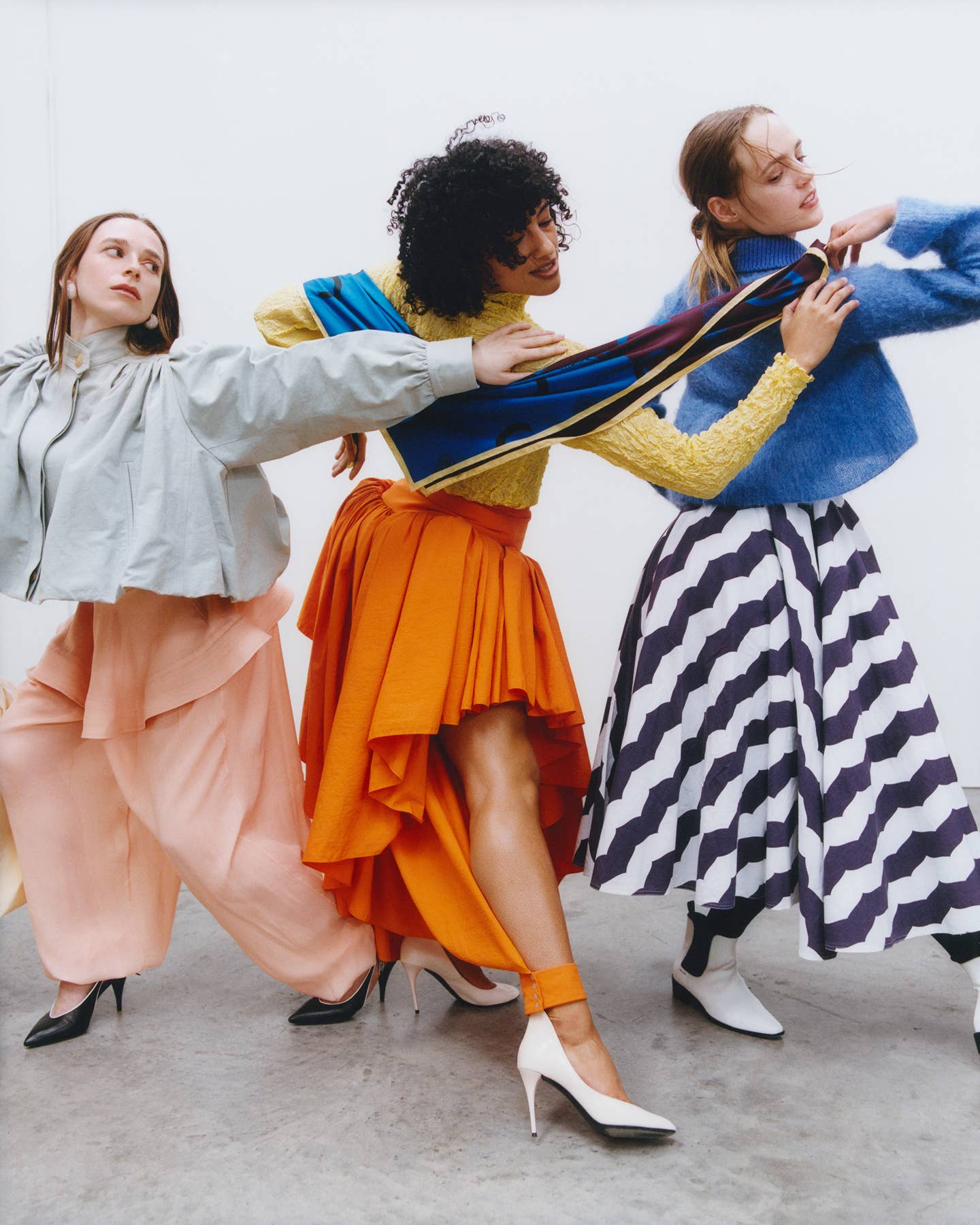
The resale economy isn't just saving money anymore—it's becoming where emerging designers actually get discovered. This shift changes everything about where fashion credibility lives right now.
Here's what's happening: smaller, independent designers are finding real traction on luxury resale platforms. This isn't a footnote. It's a sign that the traditional gatekeeping—where you had to get into the right stores or have the right connections to be taken seriously—is genuinely cracking. People are finding these brands on secondhand sites, falling in love, then hunting down their new collections. The resale market has become a legitimate launchpad, not just a clearance rack.
Why this matters to you: you're actually seeing better discovery right now than you would in a traditional department store. There's no algorithm telling you what's "in." You're finding pieces because someone else believed in them enough to buy them first. That's more trustworthy than a celebrity campaign. Plus, emerging designers tend to take actual risks with design and construction—they're not playing it safe. You get something with a point of view without the luxury price tag, and you're supporting smaller makers. It's not complicated.
The other news trickling in this week—Old Navy expanding into beauty, Erica Choi's Seoul guide dropping—feels almost quaint by comparison. Sure, beauty is an easy revenue play for a mass retailer, and travel guides are evergreen. But they're just extensions of existing appetite. The resale story is the one actually reshaping how fashion works. It's less "here's what to buy" and more "here's where real taste is hiding."
Shop resale if you want to actually discover something. The emerging designers winning there aren't playing the same game as everyone else.